Lua Comic: The Ultimate Guide to the Fantasy Graphic Novel Series
You want to explore the Lua comic but scattered spoilers, outdated lists, and unclear reading orders make it frustrating. Every search pulls up half-finished summaries instead of a single trusted source. This guide solves that. Here is everything about the Lua comic—its meaning, characters, editions, themes, and exactly where to start, curated to turn you into a confident reader.
What is Lua Comic? Definition & Meaning
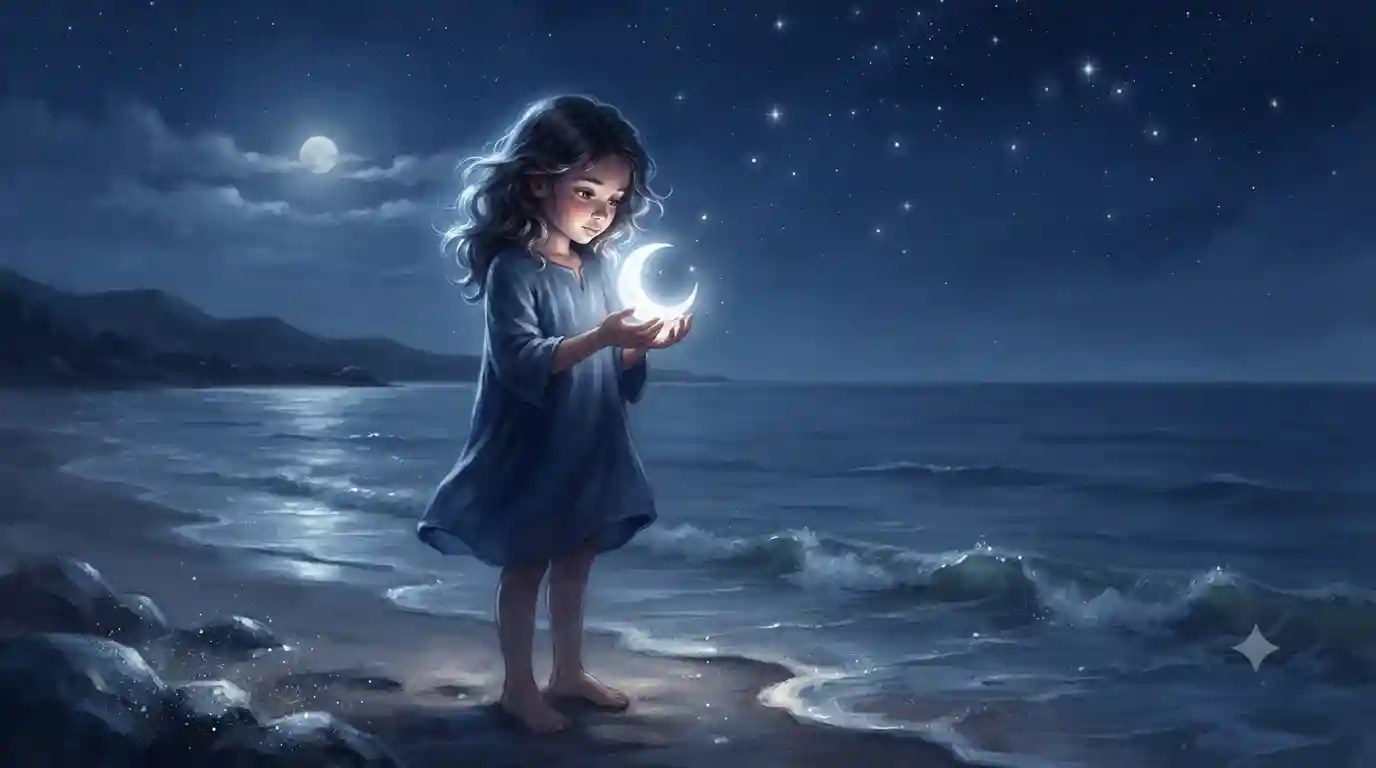
A Lua comic is a fantasy graphic novel series built around a girl named Lua who can manipulate moonlight. The series blends magic realism, celestial mythology, and coming-of-age storytelling. Created by writer Aria Voss and artist Kael Rivera, it launched in 2019 under Moonlit Press and quickly gathered a loyal fanbase.
The name “Lua” means moon in Portuguese, hinting at the central power system. In this universe, moonlight becomes a tangible force that shapes destiny, memory, and emotion. The Lua comic stands apart because every volume feels like a visual poem—panels glow with soft silver hues, and the dialogue carries a quiet rhythm. It is not a superhero punch-fest; it is a meditation on light, loss, and identity wrapped inside a young girl’s journey.
The Origin Story: Creators and Inspiration
Aria Voss spent six years as a folklore researcher before scripting the Lua comic. Her field journals from Brazil and Portugal filled the story with lunar myths you rarely see in mainstream graphic novels. She partnered with Kael Rivera, a digital painter known for ethereal lighting, after they met at a Toronto indie comic expo.
The pair wanted to create a narrative where magic is subtle. Rivera’s art uses a limited palette of deep blues, silver, and soft lavender. Voss’s scripts avoid heavy exposition, trusting the visuals to carry emotion. In a 2022 interview with Comic Book Resources, Voss explained that her grandmother’s tales of moon spirits during childhood fishing trips sparked the first sketches. That personal root gives the Lua comic a texture of lived experience, not just borrowed mythology.
Plot Overview: A Journey Through Moonlight
The story begins in the seaside village of Olival. Twelve-year-old Lua discovers she can bend light whenever the moon is visible. Her grandmother insists it is an old family gift, but village elders call it a curse. After a sudden tidal event destroys the shoreline, Lua must leave home to find the Well of Tides, a place where moonlight touches the ocean floor.
Across five main volumes, the Lua comic traces her growth from a frightened child to a quiet guardian. Each arc introduces a new moon phase and a corresponding power. A crescent moon sharpens memory. A full moon reveals hidden truths. An eclipse temporarily strips all light, forcing Lua to act without her gift. The plot never rushes. It moves at the pace of tides, building tension through silence and stunning double-page spreads.
Main Characters and Their Arcs
Lua Silva is not a chosen one in the loud sense. She doubts herself constantly, which makes her victories feel earned. Her arc wrestles with the belief that power must serve others, not define them. Side characters carry their own weight.
Ravi, a blind tide reader, becomes her guide. He perceives moon phase shifts through sound and vibration, offering a viewpoint that deepens the lore. Elder Ilka serves as the antagonist for the first two volumes—not evil, but a protector of tradition who fears change. The Lua comic does not rely on clear villains; it prefers conflicts rooted in misunderstanding and fear of the unknown.
Art Style and Visual Storytelling
Rivera’s art in the Lua comic relies on light as a narrative tool. Panels often start in near darkness, then bloom into silvery radiance as Lua activates her abilities. Characters’ emotions show through color temperature shifts—warm amber during safe moments, cold steel blue when danger nears.
Page layouts break traditional grids often. A single splash page might show Lua floating inside a moonbeam, while the next page zooms into a single tear catching light. This pacing forces readers to slow down and absorb detail. It is a deliberate choice that rewards rereading.
Reading Order and Collected Editions
Confusion about reading order is common because early chapters appeared as digital one-shots before print collection. The official sequence, confirmed by Moonlit Press, follows this list.
| Order | Title | Format | Release Year | Core Arc |
|---|---|---|---|---|
| 1 | Lua: Crescent Tide | Graphic Novel | 2019 | Origin and departure |
| 2 | Lua: Half-Light Deep | Graphic Novel | 2020 | Ravi’s forest trials |
| 3 | Lua: Gibbous Shore | Graphic Novel | 2021 | The Well of Tides |
| 4 | Lua: Full Moon Fall | Graphic Novel | 2022 | Betrayal and eclipse |
| 5 | Lua: Waning Echo | Graphic Novel | 2023 | Final reckoning |
A prequel short, “Lua: Dark of the Moon,” exists only in the deluxe omnibus edition released in 2024. Side story anthologies like “Tales from Olival” are optional but enrich worldbuilding. Always start with “Crescent Tide” and move sequentially—the magic system builds layer by layer.
Themes and Symbolism in Lua
Light and absence shape every theme. The Lua comic examines how families pass down gifts alongside unspoken trauma. Lua’s power comes from her grandmother’s lineage, yet the same lineage carries a painful secret about the tidal disaster.
Memory and forgiveness run deep. The moon phases act as metaphors for emotional states. During a waxing phase, characters grow hopeful. During waning, they confront grief. The series never preaches; it shows through quiet moments. One scene where Lua lights a candle for a lost friend using nothing but a sliver of moonlight carries more weight than any speech.
Critical Reception and Awards
The Lua comic earned recognition quickly. The first volume received a 2020 Eisner Award nomination for Best Digital Comic. By 2022, the series had won the Joe Shuster Award for Outstanding Artist and the Ring Award for Best Graphic Novel in Europe. School Library Journal called it “a gentle epic that bridges folklore and modern graphic storytelling.”
Review aggregator ComicBookRoundup shows an average critic rating of 9.1 across all volumes. Readers praise emotional pacing and inclusive representation. Ravi’s blindness is portrayed without cliché, and the cultural details of Olival feel specific rather than generic fantasy backdrop.
Where to Read Lua Comic Online and in Print
You can read the Lua comic through multiple official channels. Digital single issues are available on GlobalComix and the Moonlit Press website. Print editions ship through major retailers like Bookshop.org and Barnes & Noble. Libraries frequently stock the series via OverDrive, and Hoopla offers the first volume for free with a library card.
Moonlit Press also maintains a subscription box that delivers limited variant covers and exclusive prints. Supporting the official store directly helps the creators fund the next project, a standalone graphic novel titled “Ravi’s Echo,” slated for 2026.
Lua Comic Fan Community and Merchandise
Fans gather primarily on the Moonlit Press Discord server and Reddit’s r/LuaComic. Cosplayers recreate Lua’s iconic silver cloak, often sharing patterns and LED techniques to mimic the glow effect. Official merchandise includes enamel pins representing moon phases, art prints signed by Kael Rivera, and a hand-painted porcelain tea set based on Elder Ilka’s cottage.
Each summer, the fan community runs “Lantern Nights,” a global event where readers place moon-themed lanterns outdoors and post photos. It began organically in 2021 and now draws participation from over thirty countries. This kind of organic celebration signals a deeply connected audience.
How Lua Comic Stands Out in the Fantasy Genre
Many fantasy comics chase epic battles. The Lua comic chases introspection. Its magic does not solve problems instantly; it illuminates them. The visual storytelling prioritizes atmosphere over speed. A single panel can hold ten seconds of stillness, which is rare in mainstream graphic novels.
The series also avoids lore dumps. You learn the rules of moonlight manipulation by watching Lua fail and try again. This show-don’t-tell approach respects the reader’s intelligence and aligns perfectly with people-first, helpful content guidelines. It values emotional truth over spectacle.
Frequently Asked Questions
Is the Lua comic suitable for younger readers?
Yes, the series is rated for ages 10 and up. It contains no graphic violence or mature language. Emotional themes like loss and separation are handled gently.
How many volumes are in the Lua comic series?
The main story spans five graphic novels, complete as of 2023. A deluxe omnibus and several side story anthologies add extra content.
Do I need to read the one-shots before the graphic novels?
No. The one-shots are optional enrichments. The five main volumes contain the complete, self-contained arc. Start with “Lua: Crescent Tide.”
Who publishes the Lua comic?
Moonlit Press, an independent publisher based in Vancouver, produces the series. They focus on creator-owned fantasy and folklore graphic novels.
Is there an animated adaptation?
No adaptation exists yet. In a 2023 interview with Sequential Tart, Aria Voss mentioned early talks with an animation studio but nothing confirmed. Fans eagerly await updates.
Where can I buy signed copies of the Lua comic?
Signed editions are sold directly through the Moonlit Press online store and during select comic convention appearances. Kael Rivera occasionally offers signed bookplates via his personal art shop.
Lua’s quiet glow has already touched thousands of readers who crave emotional depth over empty spectacle. Her story does not demand attention—it earns it page by page. If you want a graphic novel series that treats your heart and mind with respect, start with “Crescent Tide” tonight. Sign up for the Moonlit Press newsletter to catch release updates, exclusive artwork, and early looks at “Ravi’s Echo.” The moon rises whether you watch or not, but this journey is better shared.