Best Kitten Food Wet Guide: Complete Nutrition and Feeding Plan
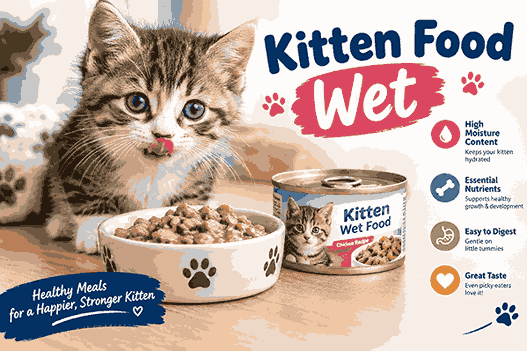
Your tiny kitten refuses dry kibble and cries at mealtime. You worry she is not getting enough moisture or nutrition during her most critical growth weeks. Picking the right kitten food wet formula solves both problems fast. This guide walks you through every feeding decision so your kitten thrives from week four through her first birthday.
Why Kitten Food Wet Matters for Early Growth
Kittens grow fifteen times faster than human babies during their first six months. Their tiny bodies demand high protein, high fat, and constant hydration to fuel that explosive development. A quality kitten food wet recipe delivers all three in every single bite.
Wet formulas contain roughly 78% moisture compared to 10% in dry kibble. That extra water protects your kitten’s kidneys and urinary tract from day one. Cornell University College of Veterinary Medicine confirms that hydration through diet reduces long-term feline kidney disease risk significantly.
Nutritional Requirements Every Kitten Needs
Growing kittens need specific nutrients that adult cats do not require in the same quantities. The Association of American Feed Control Officials (AAFCO) sets minimum standards for growth-stage feline diets that every responsible pet parent should know.
Your kitten needs these core nutrients daily:
- Protein: Minimum 30% on a dry matter basis for muscle building
- Fat: At least 9% for brain development and sustained energy
- Taurine: An essential amino acid that prevents heart and eye disease
- DHA: An omega-3 fatty acid critical for vision and cognitive growth
- Calcium and phosphorus: Balanced ratios for strong bone formation
- Arachidonic acid: A fatty acid kittens cannot produce on their own
When you choose kitten food wet products, check the label for an AAFCO statement that reads “formulated for growth” or “all life stages.” That single line tells you the recipe meets verified nutritional benchmarks.
Wet vs Dry Food: What Kittens Actually Need
New cat owners often ask whether wet or dry food suits kittens better. The honest answer is that kittens benefit most from moisture-rich meals during their first year of life.
| Feature | Wet Kitten Food | Dry Kitten Food |
| Moisture Content | 75–82% | 6–10% |
| Protein (dry matter) | 35–50% | 30–40% |
| Fat (dry matter) | 15–25% | 12–20% |
| Carbohydrates | 5–15% | 20–40% |
| Palatability | Very high | Moderate |
| Dental Benefit | Low | Moderate |
| Cost Per Serving | Higher | Lower |
| Shelf Life (opened) | 24–48 hours | Weeks |
| Hydration Support | Excellent | Poor |
| Best For | Weaning, picky eaters, hydration | Free-feeding, budget |
Wet food mirrors the moisture content of a kitten’s natural prey. Dry food works as a supplement but should not replace kitten food wet meals entirely during the growth phase.
How to Read Kitten Food Wet Labels Like a Pro
Pet food labels confuse most first-time kitten owners. The ingredient list follows a weight-based order, meaning the first item weighs the most before processing.
Look for a named animal protein in the first two spots. “Chicken” or “salmon” beats vague terms like “meat by-products” every time. The guaranteed analysis section tells you the minimum crude protein and fat percentages.
A trustworthy kitten food wet label also lists specific vitamin and mineral supplements. Avoid products that hide behind generic phrases like “animal digest” or “poultry meal” without naming the source animal.
Best Ingredients to Look for in Kitten Food Wet Options
High-quality kitten food wet recipes share a short, recognizable ingredient list. Your kitten’s digestive system processes whole foods far better than synthetic fillers.
Prioritize these ingredients when shopping:
- Named muscle meat: Chicken, turkey, salmon, or duck as the first ingredient
- Organ meats: Chicken liver or beef heart for concentrated vitamins
- Fish oil or salmon oil: Natural DHA and EPA sources for brain growth
- Eggs: A complete protein with all essential amino acids
- Pumpkin or sweet potato: Gentle fiber for digestive health
- Cranberries: Natural urinary tract support
Ingredients You Must Avoid in Kitten Food Wet Products
Not all kitten food wet cans on the shelf meet safe nutritional standards. Some brands load their recipes with cheap fillers that offer zero nutritional value to growing kittens.
Steer clear of these red-flag ingredients:
- Corn gluten meal: A low-quality plant protein that spikes blood sugar
- Soy protein isolate: A common allergen that disrupts thyroid function
- Artificial colors: Blue 2, Red 40, and Yellow 5 serve no nutritional purpose
- Carrageenan: A thickener linked to gastrointestinal inflammation in cats
- Added sugars or caramel: Unnecessary calories that promote obesity
- Generic “meat by-products”: Unidentified animal parts with inconsistent nutrition
The ASPCA recommends checking every label against their toxic and harmful food ingredient list before purchasing any feline diet product for your growing kitten.
Kitten Food Wet Feeding Schedule by Age
Feeding frequency changes as your kitten matures. Younger kittens have smaller stomachs and faster metabolisms, so they need more frequent meals throughout the day.
- 4–8 weeks (weaning): Offer kitten food wet mixed with kitten milk replacer four to six times daily
- 8–12 weeks: Serve four meals per day of pureed or pate-style wet food
- 3–6 months: Reduce to three meals per day with chunkier textures
- 6–12 months: Feed two to three meals per day of standard wet kitten formula
- 12+ months: Transition to adult feeding schedules of two meals daily
Stick to consistent meal times each day. Kittens thrive on routine and will adjust their hunger cues to match your schedule within two weeks.
How Much Kitten Food Wet Should You Serve Daily
Portion size depends on your kitten’s age, weight, and activity level. Most kitten food wet cans display feeding guidelines on the label based on body weight.
A general daily guideline:
- 2-pound kitten: 2–3 ounces of wet food per day
- 4-pound kitten: 4–5 ounces per day
- 6-pound kitten: 5–7 ounces per day
- 8-pound kitten: 7–9 ounces per day
Split these totals across the daily meal count. Weigh your kitten weekly during the first six months to confirm steady growth. If ribs become visible, increase portions by 10%.
Transitioning Your Kitten to Wet Food Safely
Switching a kitten from dry kibble or milk replacer to kitten food wet requires patience. Sudden diet changes trigger diarrhea and vomiting in young cats.
Follow this seven-day transition plan:
- Days 1–2: Mix 25% wet food with 75% current food
- Days 3–4: Increase to 50% wet and 50% current food
- Days 5–6: Serve 75% wet food with 25% current food
- Day 7: Offer 100% wet kitten formula
Warm the wet food to room temperature before serving. Cold food straight from the refrigerator smells less appealing and may cause your kitten to reject the meal entirely.
Top Kitten Food Wet Brands Vets Recommend
Veterinary professionals consistently recommend brands that invest in feeding trials and nutritional research. These companies meet or exceed AAFCO growth standards through rigorous testing.
- Royal Canin Kitten Instinctive: Thin slices in gravy designed for 4–12 month kittens
- Hill’s Science Diet Kitten: Chicken recipe with clinically proven DHA levels
- Purina Pro Plan Kitten: Chicken and rice formula with live probiotics
- Wellness CORE Kitten: Grain-free turkey and chicken liver pate
- Blue Buffalo Kitten: Chicken dinner pate with LifeSource Bits nutrients
Always introduce one brand at a time. Monitor your kitten’s stool quality and energy levels for two weeks before deciding if the formula works.
Common Kitten Food Wet Mistakes New Owners Make
Even well-meaning cat parents make feeding errors that slow their kitten’s development. Recognizing these mistakes early keeps your kitten on a healthy growth track.
- Free-feeding wet food: Leaving kitten food wet out for hours invites bacterial growth. Discard uneaten portions after 30 minutes.
- Skipping the weaning phase: Pushing solid wet food on a four-week-old kitten before she can lap causes aspiration risk.
- Ignoring calorie counts: Overfeeding wet food leads to rapid weight gain and skeletal stress in large-breed kittens.
- Feeding adult wet food to kittens: Adult formulas lack the extra protein, fat, and calcium that kitten food wet recipes provide for growing bodies.
- Neglecting fresh water: Wet food hydrates your kitten but does not replace a clean water bowl.
Kitten Food Wet vs Adult Wet Food: Key Differences
The difference between kitten food wet and adult wet food goes far beyond the label. Growth formulas contain significantly higher levels of protein, fat, and essential minerals.
Kitten formulas pack roughly 25% more calories per ounce than adult versions. They also include added DHA for brain development and higher calcium-to-phosphorus ratios for bone growth. Feeding adult food to a growing kitten creates nutrient deficiencies that may not show symptoms until months later.
Keep your kitten on a growth-specific kitten food wet diet until she reaches 12 months of age. Large breeds like Maine Coons may need kitten formulas until 18 months.
Storing Kitten Food Wet Safely at Home
Proper storage prevents spoilage and protects your kitten from foodborne illness. Unopened cans of kitten food wet stay fresh in a cool, dry pantry until the printed expiration date.
Once opened, transfer leftover wet food to an airtight glass or BPA-free plastic container. Refrigerate immediately and use within 48 hours. Never leave opened wet food at room temperature for more than two hours, especially during warm months.
Signs Your Kitten Thrives on Her Wet Food Diet
A well-fed kitten shows clear physical and behavioral signs of good nutrition. Monitor these indicators monthly to confirm your kitten food wet choice works for her specific needs.
- Bright, clear eyes with no discharge
- Soft, shiny coat without bald patches or excessive shedding
- Steady weight gain matching breed-specific growth charts
- Firm, well-formed stools with no diarrhea or straining
- High energy levels during play sessions
- Clean teeth and pink gums
If your kitten displays any of the opposite symptoms, consult your veterinarian before switching formulas.
Frequently Asked Questions
Q1: When can kittens start eating kitten food wet?
Kittens can begin eating kitten food wet around four weeks of age during the weaning process. Start with a soupy mixture of wet food and kitten milk replacer, then gradually thicken the texture over two to three weeks.
Q2: How often should I feed my kitten food wet?
Feed kitten food wet four to six times daily for kittens under eight weeks old. Reduce to three meals by three months and two to three meals by six months of age.
Q3: Can I mix kitten food wet with dry food?
Yes. Mixing wet and dry food gives your kitten hydration benefits alongside the dental advantages of kibble. Start with a 70% wet and 30% dry ratio for the best nutritional balance.
Q4: Is grain-free kitten food wet better?
Grain-free formulas help kittens with specific grain allergies or sensitivities. Most kittens digest whole grains like brown rice without issues. Choose based on your kitten’s individual tolerance, not marketing claims.
Q5: How long should kittens eat kitten food wet?
Feed a growth-specific wet formula until your kitten turns 12 months old. Large-breed kittens such as Maine Coons and Ragdolls benefit from kitten formulas until 18 months.
Q6: What is the best kitten food wet for sensitive stomachs?
Limited-ingredient recipes with a single protein source like chicken or turkey work best for sensitive stomachs. Look for kitten food wet options that exclude dairy, soy, and artificial preservatives.
Conclusion
Your kitten’s first year sets the foundation for a lifetime of health. Every meal you serve shapes her bones, brain, immune system, and energy levels for decades to come. Choose a high-quality wet formula, follow the feeding schedule that matches her age, and watch her transform into a strong, playful cat.
Start today. Open a fresh can, fill her bowl, and give your kitten the nutrition she deserves. She will thank you with purrs, pounces, and years of loyal companionship