Best Soft Foods for Braces: 50+ Safe and Tasty Options for Every Meal
Your braces just got tightened, and every bite sends sharp pain shooting through your teeth. Chewing crunchy or hard meals damages brackets and wires, costing you extra orthodontist visits and months of delayed treatment. This guide hands you a complete list of soft foods for braces that taste great, protect your hardware, and keep your nutrition on track every single day.
What Are the Best Soft Foods for Braces Right After Getting Them?
The first 48 hours after bracket placement bring the most soreness. Your teeth and gums need gentle fuel that requires almost zero chewing effort.
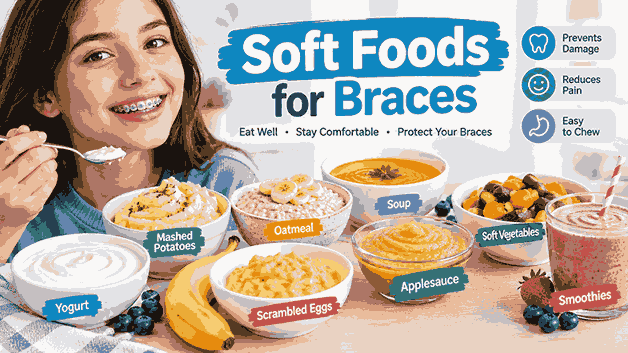
Stick to soft foods for braces like mashed potatoes, yogurt, applesauce, and scrambled eggs during this window. These options deliver real nutrition without putting pressure on fresh brackets.
Smoothies blended with banana, spinach, and protein powder also work perfectly. Sip them slowly to avoid suction discomfort on tender gums.
Oatmeal cooked until creamy gives you fiber and warmth without any crunch. Add a drizzle of honey for natural sweetness.
Why Do You Need Soft Foods for Braces During the First Week?
New brackets sit loosely until the adhesive fully cures, which takes about five to seven days. Biting into anything firm during this period can pop a bracket right off the tooth surface.
The American Association of Orthodontists confirms that eating hard or sticky items early in treatment ranks as the top cause of emergency repair visits (aaoinfo.org). Choosing soft foods for braces during week one prevents these costly setbacks.
Your mouth also produces extra saliva as it adjusts to foreign hardware. Softer textures reduce the gag reflex and make swallowing more comfortable during this adjustment phase.
Which Soft Foods for Braces Work Best for Breakfast?
Mornings set the tone for your energy, and you do not need to sacrifice flavor. Start with a warm bowl of cream of wheat topped with sliced ripe banana.
Greek yogurt layered with soft berries and a spoonful of chia seed pudding packs protein and calcium. Both nutrients strengthen the enamel around your brackets.
Scrambled eggs cooked low and slow stay fluffy and easy to chew. Pair them with a side of soft avocado spread on untoasted bread for healthy fats.
Pancakes soaked in syrup become tender enough for sensitive teeth. Avoid adding nuts or granola toppings that could wedge under your wires.
What Soft Foods for Braces Make a Satisfying Lunch?
Lunchtime calls for something filling that will not leave you hungry by 3 p.m. A blended butternut squash soup with a soft dinner roll hits the spot every time.
Tuna salad made with extra mayonnaise stays moist and requires minimal chewing. Scoop it up with soft pita bread instead of crunchy crackers.
Macaroni and cheese cooked past al dente gives you comfort and calories. The pasta slides right off your brackets without tugging at wires.
Bean-based soups like lentil or split pea deliver iron and plant protein. Let them cool slightly so heat does not irritate sore gums.
Can You Eat Soft Foods for Braces at Dinner Without Missing Out?
Absolutely. Dinner should feel like a real meal, not a compromise. Slow-cooked pulled chicken shredded into tiny pieces melts in your mouth and pairs well with steamed vegetables.
Baked salmon flakes apart with a fork and provides omega-3 fatty acids that reduce gum inflammation. Serve it alongside creamy risotto for a restaurant-quality plate at home.
Meatloaf made with extra breadcrumbs stays tender throughout. Cut small pieces and chew on your back molars to keep front brackets safe.
Soft-cooked pasta with marinara sauce delivers carbs and lycopene. Choose penne or rotini shapes that trap sauce without requiring aggressive biting.
What Are the Safest Soft Snacks for Braces Between Meals?
Snacking smart keeps your blood sugar steady and prevents you from grabbing forbidden crunchy chips. String cheese pulls apart easily and delivers calcium directly to your teeth.
Ripe mango slices require almost no chewing and taste like candy. Watermelon chunks and seedless grapes also rank among the safest soft foods for braces for quick snacking.
Hummus paired with soft cucumber rounds gives you protein and crunch-free satisfaction. Avoid carrot sticks and celery until your orthodontist clears you.
Cottage cheese with canned peaches in juice makes a filling afternoon pick-me-up. The soft fruit pieces glide past brackets without catching.
Which Soft Foods for Braces Help After a Tightening Appointment?
Tightening days bring a fresh wave of pressure that peaks around hour six. Your teeth feel like they are being squeezed in a vice, and chewing anything solid feels impossible.
Cold soft foods for braces like ice cream, frozen yogurt, and chilled pudding numb sore spots while delivering calories. The cold temperature acts as a natural anti-inflammatory.
Warm bone broth sipped from a mug soothes aching jaws and provides collagen for gum healing. Add a pinch of turmeric for extra anti-inflammatory power.
Jell-O cups and applesauce pouches travel well if you need snacks at school or work after an afternoon adjustment. Keep a stash in your bag for the first two days post-tightening.
What Soft Foods for Braces Are Safe for Kids and Teens?
Younger patients struggle the most with dietary restrictions because they crave chips and candy. Make soft foods for braces fun by turning smoothies into colorful “milkshakes” with frozen fruit and vanilla yogurt.
Mini meatballs baked until tender satisfy the craving for fast food without the crunch of a burger crust. Dip them in ketchup or mild barbecue sauce for familiar flavor.
Soft tacos filled with refried beans, shredded cheese, and sour cream mimic taco night without hard shells. Use flour tortillas warmed until pliable.
Popsicles made from blended fruit and coconut water cool sore gums after school. Freeze them in fun molds to keep kids excited about braces-friendly treats.
How Do Soft Foods for Braces Compare to Regular Diet Nutrition?
A common worry is that switching to soft foods for braces means missing out on essential vitamins and minerals. This concern holds no weight when you plan meals intentionally.
Soft-cooked vegetables retain nearly all their nutrients compared to raw versions. Steaming broccoli until fork-tender preserves vitamin C and fiber without the crunch that snaps wires.
The American Dental Association emphasizes that texture modification does not reduce nutritional value when you choose whole, unprocessed ingredients (ada.org). Blending, mashing, and slow-cooking simply change the physical form of the food.
Protein sources like eggs, fish, tofu, and slow-cooked meats deliver identical amino acid profiles regardless of texture. Your body absorbs the same nutrients whether you chew a steak or eat shredded chicken.
What Foods Should You Completely Avoid While Wearing Braces?
Knowing what to skip matters just as much as knowing what to eat. Hard, sticky, and crunchy items cause the majority of bracket failures and bent archwires.
Avoid these foods entirely:
- Popcorn kernels (hull fragments lodge under gums)
- Whole nuts and hard candies
- Chewy caramels, taffy, and gummy bears
- Raw carrots, apples, and corn on the cob
- Hard pretzels, ice cubes, and pizza crust edges
- Sticky peanut butter (choose creamy thinned with yogurt instead)
Mayo Clinic orthodontic guidelines warn that a single bite into a hard object can fracture a ceramic bracket or bend a nickel-titanium wire beyond repair (mayoclinic.org). Repair appointments add weeks to your total treatment timeline.
How Long Should You Stick to Soft Foods for Braces?
The strictest phase lasts three to seven days after initial placement and two to three days after each tightening. During these windows, soft foods for braces should make up at least 90 percent of your intake.
After the first month, most patients regain enough comfort to reintroduce moderately firm foods. Cut items like apples and carrots into thin slices and chew carefully on back teeth.
Your orthodontist will give you a personalized timeline based on your specific appliance type. Ceramic brackets and lingual braces often require longer soft-diet phases than traditional metal brackets.
Listen to your body. If a food causes pain or tugs at a wire, return to softer options for a few more days.
Complete Soft Foods for Braces Meal Plan Table
| Meal | Food Item | Texture | Key Nutrient | Braces Safety Rating |
| Breakfast | Scrambled eggs | Very soft | Protein, Vitamin D | ★★★★★ |
| Breakfast | Oatmeal with banana | Soft | Fiber, Potassium | ★★★★★ |
| Breakfast | Greek yogurt parfait | Very soft | Calcium, Probiotics | ★★★★★ |
| Breakfast | Cream of wheat | Very soft | Iron, B Vitamins | ★★★★★ |
| Lunch | Blended tomato soup | Liquid | Lycopene, Vitamin C | ★★★★★ |
| Lunch | Tuna salad on soft pita | Soft | Omega-3, Protein | ★★★★☆ |
| Lunch | Mac and cheese (overcooked) | Very soft | Calcium, Carbs | ★★★★★ |
| Lunch | Lentil soup | Soft | Iron, Plant Protein | ★★★★★ |
| Snack | String cheese | Soft | Calcium, Protein | ★★★★★ |
| Snack | Ripe mango slices | Very soft | Vitamin A, Vitamin C | ★★★★★ |
| Snack | Hummus with soft pita | Soft | Fiber, Protein | ★★★★☆ |
| Snack | Applesauce pouch | Very soft | Vitamin C, Fiber | ★★★★★ |
| Dinner | Pulled slow-cooked chicken | Soft | Protein, B6 | ★★★★★ |
| Dinner | Baked salmon | Flaky | Omega-3, Vitamin D | ★★★★★ |
| Dinner | Creamy risotto | Very soft | Carbs, Iron | ★★★★★ |
| Dinner | Meatloaf with mashed potatoes | Soft | Protein, Potassium | ★★★★☆ |
| Dessert | Vanilla pudding | Very soft | Calcium | ★★★★★ |
| Dessert | Fruit smoothie | Liquid | Vitamins, Fiber | ★★★★★ |
Where Can You Find More Trusted Orthodontic Diet Guidance?
Reliable information comes from organizations that treat thousands of braces patients annually. The American Association of Orthodontists publishes free dietary guides updated each year on their patient portal.
Your personal orthodontist remains the best source for appliance-specific advice. Schedule a quick call if you feel unsure about a particular food item.
Registered dietitians who specialize in pediatric or orthodontic nutrition can build custom meal plans. They ensure your soft foods for braces rotation covers every micronutrient your body needs during treatment.